
 DentalEye Vision TestFULL BODY CHECK UP IN KATHMANDUFibroscan TestFibroscan TestGeneral Health Screening Package (Male)General and Cancer Health Screening Package (Female)Gynecology ConsultationHypertension PackagePAP SMEARPap Smear for Cervical Cancer Screening in KathmanduPhysician ConsultationTMT (Exercise ECG Test)WHOLE BODY CHECKUP IN KATHMNDUपाप स्मियर परीक्षण24 Hrs Ambulatory BP Monitoring ( ABPM )ABP (Ambulatory Blood Test)AlbuminAlkaline PhosphataseBlood SugarCalciumCardiologist ConsultationCarotid Intima-Media Thickness Test (CIMT)ChlorideComplete Blood CountDigital Chest XrayDoppler studyECGECHOCARDIOGRAPHYEye ConsultationGamma GTHolter 24-Hour ECG monitoring testKidney Function TestLipid ProfileLiver Function TestMagnesiumPhosphorousProteinPulmonary Function Test-SpirometryRetinopathy TestTSHThyroid Function TestUltrasonographyUric AcidUrine Microalbumin & ACRUrine Routine & MicroscopyVITAMIN B12VITAMIN D
| Saturday | 7 a.m. - 10 a.m. |
|---|---|
| Sunday | 7 a.m. - 7 p.m. |
| Monday | 7 a.m. - 7 p.m. |
| Tuesday | 7 a.m. - 7 p.m. |
| Wednesday | 7 a.m. - 7 p.m. |
| Thursday | 7 a.m. - 7 p.m. |
| Friday | 7 a.m. - 7 p.m. |
| Sunday | 6 a.m. - 8 p.m. |
| Monday | 7 a.m. - 5 p.m. |
| Tuesday | 7 a.m. - 5 p.m. |
| Wednesday | 7 a.m. - 5 p.m. |
| Thursday | 7 a.m. - 5 p.m. |
| Friday | 7 a.m. - 5 p.m. |
| Saturday | 7 a.m. - 5 p.m. |
| Public Holidays | Partial Closed |
| Contact | 9843111554 | |
| [email protected] | ||
| Address | Basundhara |
Department : Cardiology
Fasting Required? : No
Home Services Available? : No
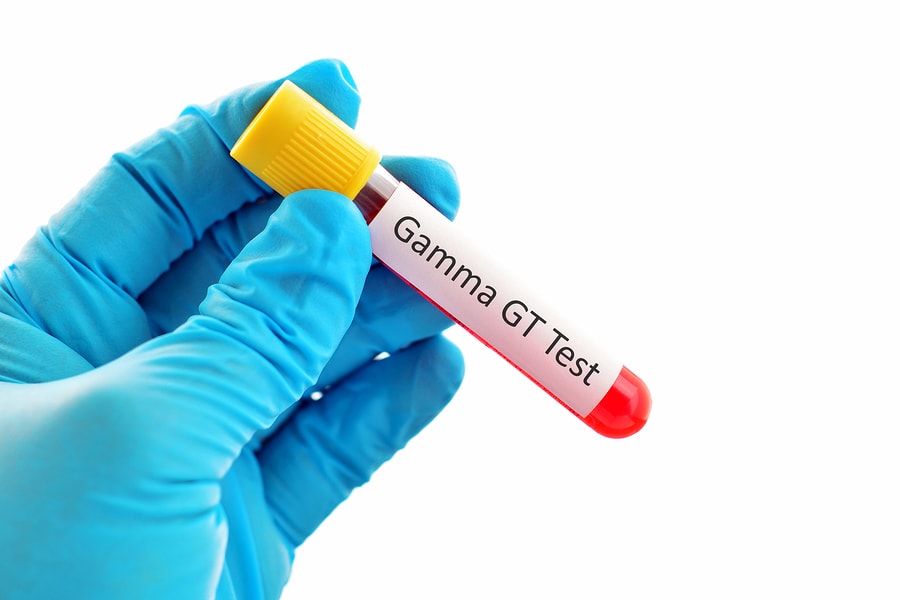
Gamma GT (gamma-glutamyl transferase) is a blood test measuring an enzyme primarily from the liver, used to detect liver/bile duct issues, differentiate from bone problems (unlike alkaline phosphatase), and screen for alcohol abuse, as elevated levels often signal liver cell damage, bile duct obstruction, or heavy drinking, though it doesn't pinpoint the exact cause.
What it is:
.
What a high level means:
Why it's tested:
Key takeaway: